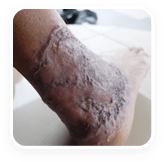
Traumatic injuries from accidents, falls, surgery and violence require careful aftercare during healing. Mobile wound care services allow patients to receive professional treatment from home or a local Atlanta facility, offering convenience while reducing infection risk and other complications. Here’s how mobile wound management supports recovery from traumatic injuries.
How At-Home Wound Care Supports Traumatic Injury Recovery
Mobile traumatic wound care delivers fast and specialized attention to patients by eliminating barriers that could delay treatment or complicate recovery. Several key advantages make at-home wound management particularly effective for traumatic wound recovery.
Provides Early and Consistent Wound Care
Mobile wound care helps prevent gaps in treatment caused by delays in clinic appointments. For patients recovering at home or in an assisted living or nursing facility, treatment can take place at the bedside soon after hospital discharge or injury. This early intervention can prevent traumatic wound issues from becoming serious complications.
Adapts Care to Different Types of Traumatic Wounds
Traumatic wounds come in many forms, including lacerations, punctures, abrasions, crush injuries and soft tissue damage. The unpredictability of this type of injury means it is beneficial to have wound care specialists be responsible for ongoing management. As shown in our mobile wound care infographic, clinicians can adjust dressings and treatments as the wound heals.
Protects the Wound by Eliminating Travel and Waiting
Frequent traveling for appointments can expose a traumatic wound to pressure, friction, swelling and infection. With at-home care, you can keep the wound clean and protected during the healing phase. For patients with mobility issues, bedside care is typically the most convenient way to manage a wound.
Enables Close Monitoring and Rapid Adjustments
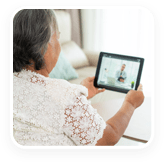
Regular in-person visits allow wound care specialists to monitor healing progress and detect early signs of infection. If they identify changes in odor or tissue condition, treatment plans can be adapted immediately. Telehealth appointments support wound monitoring between visits, with visual assessments and virtual consultations helping providers keep track of healing.
Improves Patient Comfort and Adherence to Treatment
Some of the challenges in traumatic wound recovery that patients face include ongoing pain and mobility issues. Mobile wound professionals reduce this burden by delivering care directly to patients, and providing clear guidance on cleansing and dressing changes. When wound management is less physically taxing, patients are more likely to follow treatment protocols consistently and achieve better healing outcomes.
Maintains Continuity of Care
Mobile traumatic wound care ensures patients receive consistent care in a comfortable setting. Regular appointments with fewer cancellations reduce gaps in treatment, lowering the risk of complications and hospital readmissions. Wound care providers can also coordinate with other medical professionals to deliver comprehensive and integrated care.
At-Home Care for Traumatic Wounds in Atlanta
Preferred Healthcare provides expert mobile wound care services to patients across Atlanta. We bring dependable wound and ulcer treatments to your home or healthcare facility. Call (404) 919-5708 or schedule an appointment online.